 Fences
Bentleigh · Family Home · 2025
Sixty-Metre Paling Fence Spray Finish
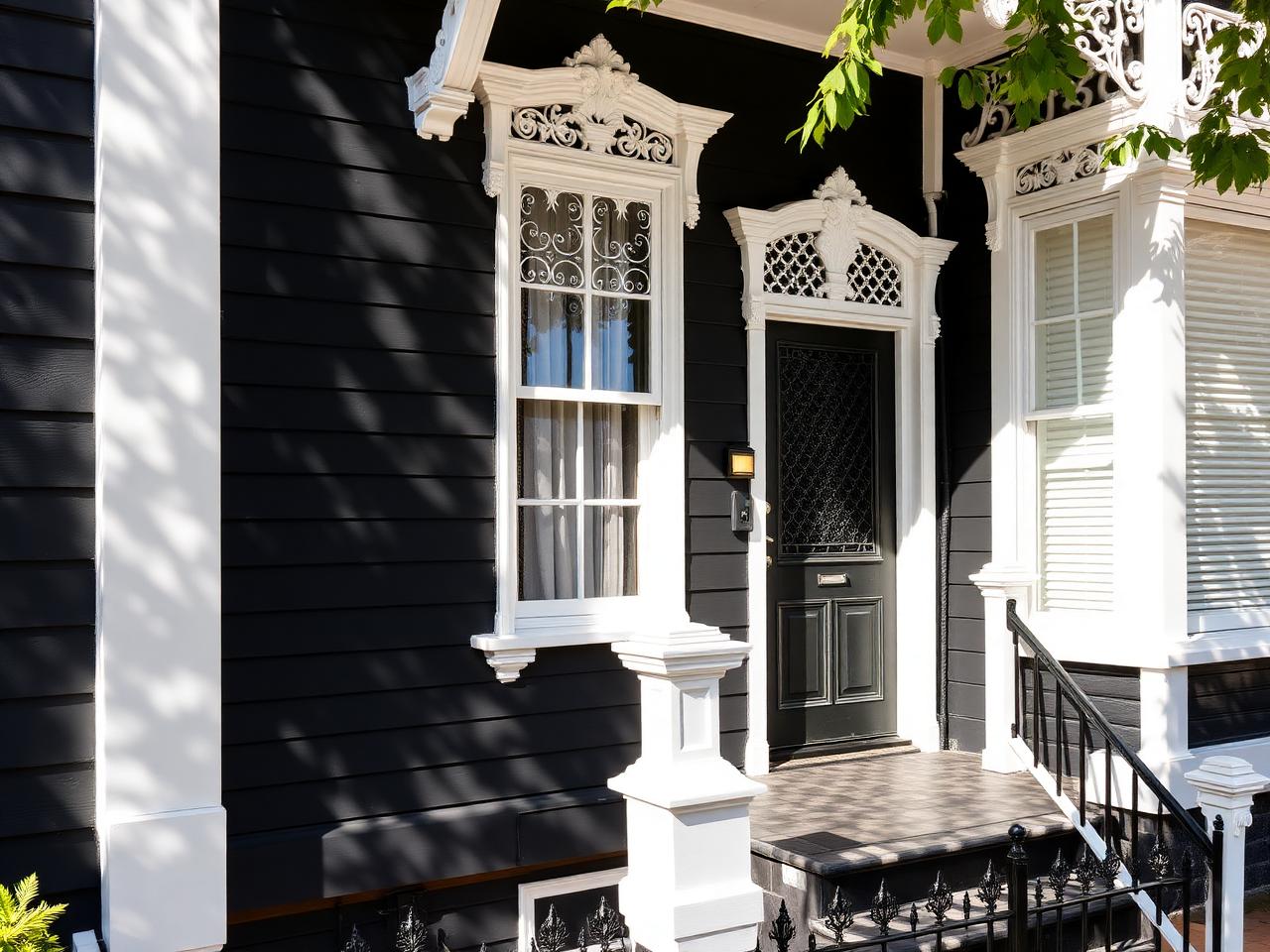
Sixty metres of weathered treated-pine paling sprayed in charcoal across two days, with written neighbour agreement on both boundaries before a brush was lifted.
- Monument
Weather-engineered systems for Melbourne's brutal seasonal swings.
The short answer
An exterior repaint lasts as long as its preparation. Washing, mould treatment, removal of all flaking film, timber and render repair and the correct primer for each substrate matter more than the brand of topcoat. Expect seven to twelve years from a properly specified Melbourne exterior.
Melbourne asks a lot of an exterior: forty-degree northerlies, driving winter rain, salt air along the bay and frost inland. An exterior repaint either accounts for that in the specification or it fails early — usually at the sills, the render joints and the south-facing shade.
We pressure wash, treat mould at the source, remove every flaking layer back to sound substrate, repair timber and render, then rebuild the film with the right primer for each material. Only then does colour go on.
Typical specification: Dulux Weathershield or Resene X-200 over the correct primer for weatherboard, render, brick or fibre cement.
Tell us a little about your painting project and we'll get back to you.
How we prepare
Preparation is where the money either goes or gets saved, and it is the part you cannot see once the job is finished. This is exactly what happens before colour goes on.
High-pressure washing removes chalk and dirt but not spores. South-facing and shaded walls are treated with a fungicidal wash so mould is killed at the root instead of being painted over and returning within a season.
Every loose or flaking layer is scraped and sanded until the remaining film passes an adhesion test. Feathered edges are filled so the repair does not read as a ridge through the new coating.
Rotten weatherboard sections are cut out and replaced, nails punched and re-puttied, render cracks cut out in a V and patched, and gaps at sills, joins and penetrations caulked with a paintable flexible sealant.
Bare timber takes an oil-based or acrylic timber primer, render takes an alkali-resistant sealer, galvanised metal takes an etch primer and rust spots take a converter. One universal undercoat over everything is where most premature failures start.
Weatherboard and fibre cement
Dulux Weathershield or Resene Lumbersider over the matched primer — flexible enough to move with seasonal expansion without cracking at the board laps.
Render and masonry
A high-build or elastomeric membrane where hairline cracking is present, over an alkali-resistant sealer that stops render salts burning through the colour.
Trim, sills and front doors
Exterior waterborne enamel for gloss retention and colour hold in full northern sun, where solvent enamels chalk and yellow.
Metal and downpipes
Rust converter, etch primer and an acrylic topcoat tinted to match the Colorbond profile so plumbing disappears into the facade.
Hold us to these. They are written into every exterior painting proposal we issue.
Every exterior painting proposal we issue names the products, the number of coats and the preparation steps above, so you can compare it line by line against any other quote.
Request a written specificationCompare the options
Melbourne homes rarely have a single exterior material. This is how the specification changes across the four we meet most often.
| Substrate | Main failure mode | Primer | Realistic repaint cycle |
|---|---|---|---|
| Weatherboard | Flaking at laps, rot at ends | Timber primer, oil-based on bare wood | 7–10 years |
| Rendered masonry | Hairline cracking, salt burn | Alkali-resistant sealer | 10–12 years |
| Fibre cement | Joint cracking, chalking | Acrylic sealer | 10–12 years |
| Face brick | Efflorescence, patchy suction | Masonry conditioner | 12–15 years |
Bayside salt air and unshaded north and west elevations shorten every figure above by roughly two years.
Recent projects
Each case study documents the condition we started with, the preparation, the products, the colours and the finished result.
FencesBentleigh · Family Home · 2025
Sixty metres of weathered treated-pine paling sprayed in charcoal across two days, with written neighbour agreement on both boundaries before a brush was lifted.
 Exterior
Toorak · New Build · 2025
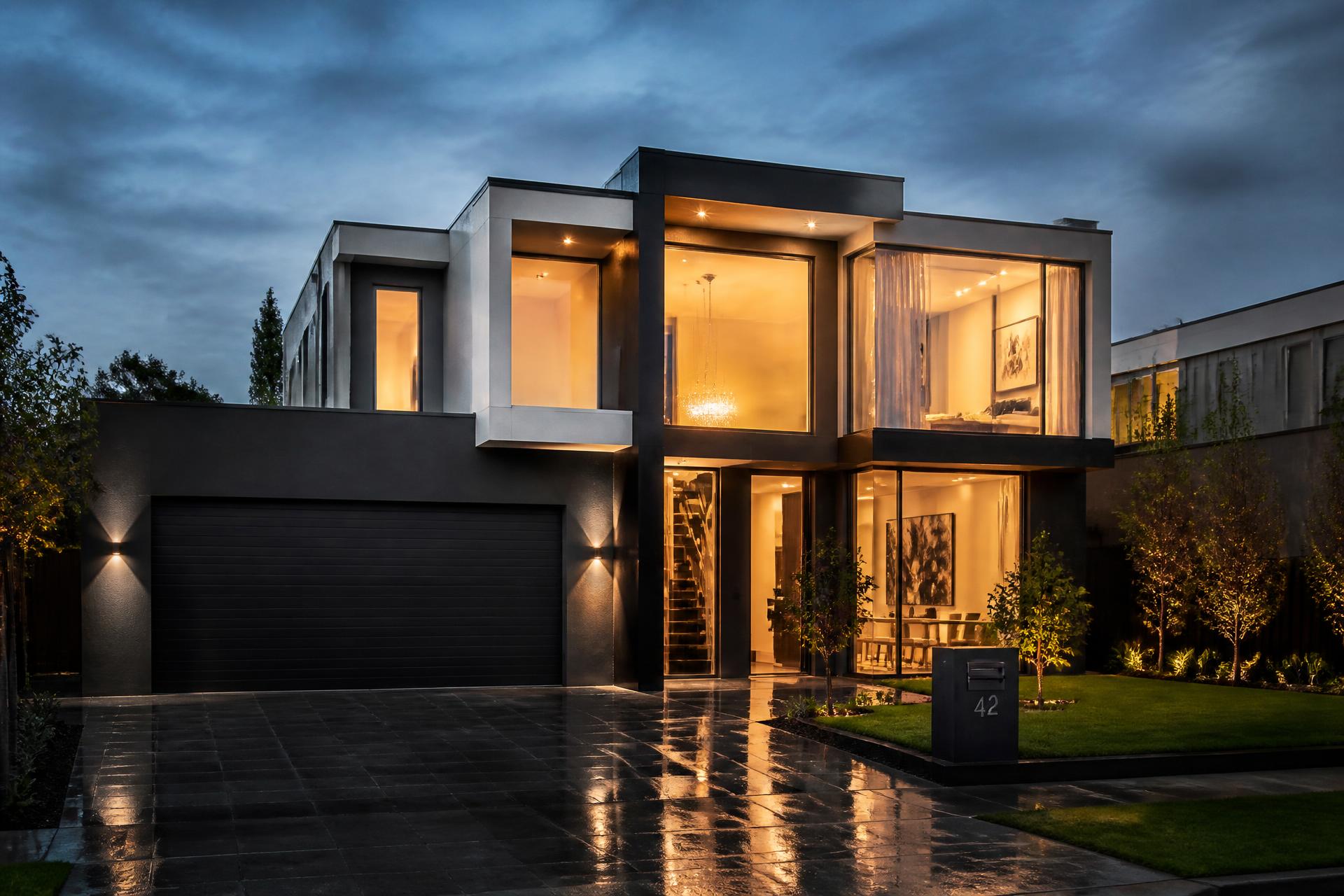
A four-week repaint of a newly completed architectural home, matching the builder's charcoal render to a bespoke tint and rebuilding the failed sealer on the west elevation.
 Roof
RoofBentleigh · Family Home · 2024
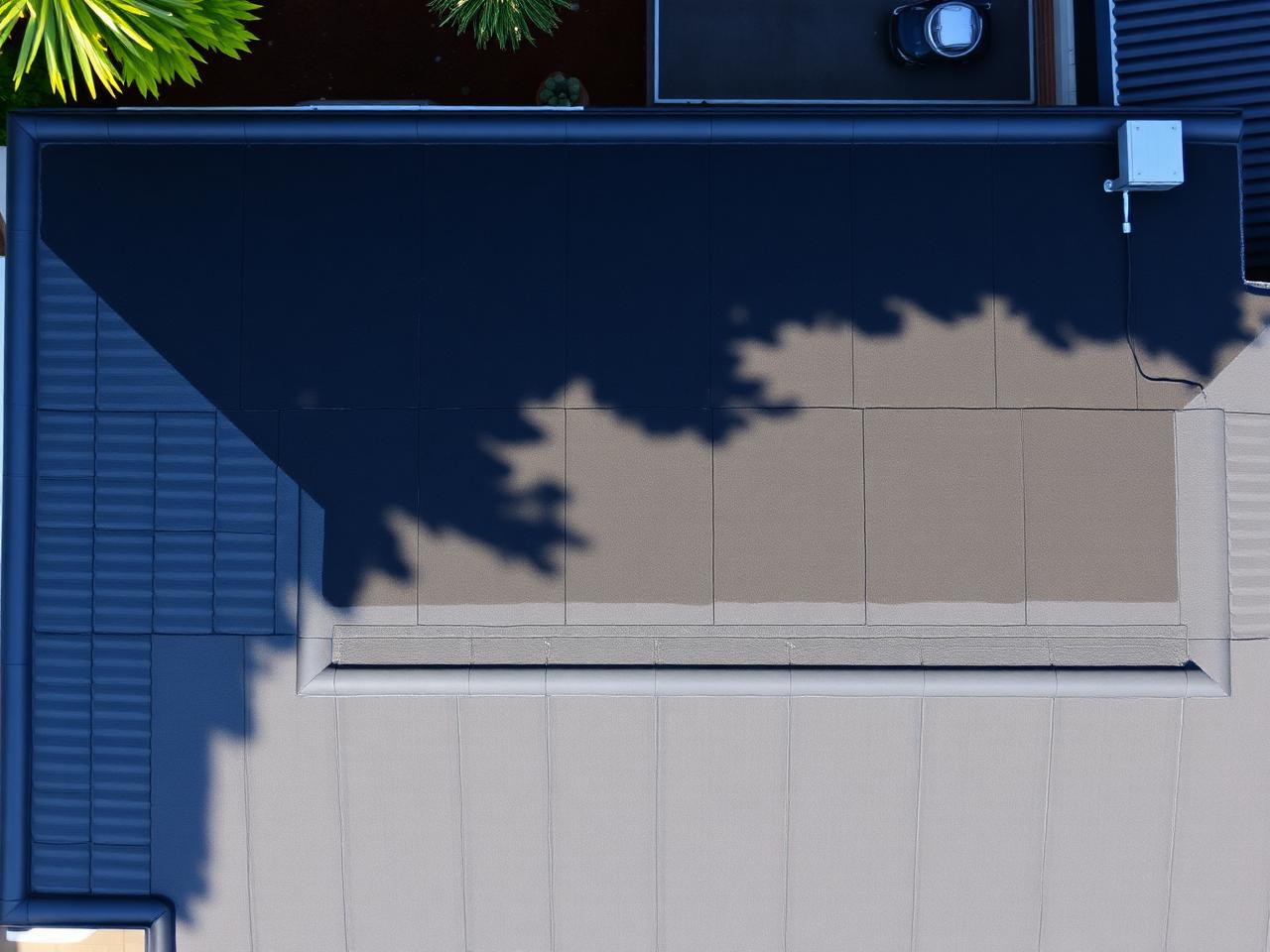
A chalked twenty-year-old Colorbond roof recoated in a heat-reflective system, with rust spots cut out and treated before a single coat went on.
Related articles
Our Knowledge Centre explains the decisions behind this work in full — costs, products, preparation and the mistakes that cause early failure.
Exterior Painting · 3 min read
A durable weatherboard repaint requires scraping and sanding all failed coating back to a sound edge, spot priming bare timber with an oil-based or high-adhesion primer, re-puttying and caulking joints, then applying two coats of a premium 100% acrylic exterior topcoat — typically lasting 8–12 years in Melbourne.
Read the guideExterior Painting · 3 min read
In Melbourne, expect to repaint weatherboard every 8–12 years, rendered walls every 10–15 years, and window frames and doors every 5–8 years — north and west elevations typically need attention two to four years earlier than south and east ones.
Read the guideCommon Paint Problems · 3 min read
Mould on paint must be killed with a fungicidal wash, not just pressure-washed off — pressure alone removes the visible growth while leaving spores in the film, which regrow within months.
Read the guideCommon Paint Problems · 3 min read
Paint peels for four reasons: moisture behind the coating, inadequate surface preparation, incompatible coating layers, or applying paint over a chalky or dirty surface — and the repair differs completely depending on whether the paint peels between coats or back to the bare substrate.
Read the guideWeather & Painting · 3 min read
Most exterior acrylics require a surface temperature above 10°C and rising, humidity below 85%, and the surface to be at least 3°C above dew point — in Melbourne winter that usually means a working window of roughly 9am to 3pm on dry days.
Read the guideQuestions
Real questions from Melbourne homeowners, answered the way we answer them at the kitchen table.
Question we have not covered? Send us photos with your enquiry and we will answer it against your actual surfaces, not a general case.
Ask us with photosWhere we work
Choose your suburb for local detail on housing stock, exposure and typical scope.
Also consider
Walls, ceilings, cornices and joinery finished to a furniture standard.
Offices, retail, strata and hospitality painted around your trading hours.
Restoration-grade coatings that reset your roof's next twenty years.
Boundary fences, gates and screens brought back to a crisp line.
Tell us about your painting project and a project manager will be in touch.